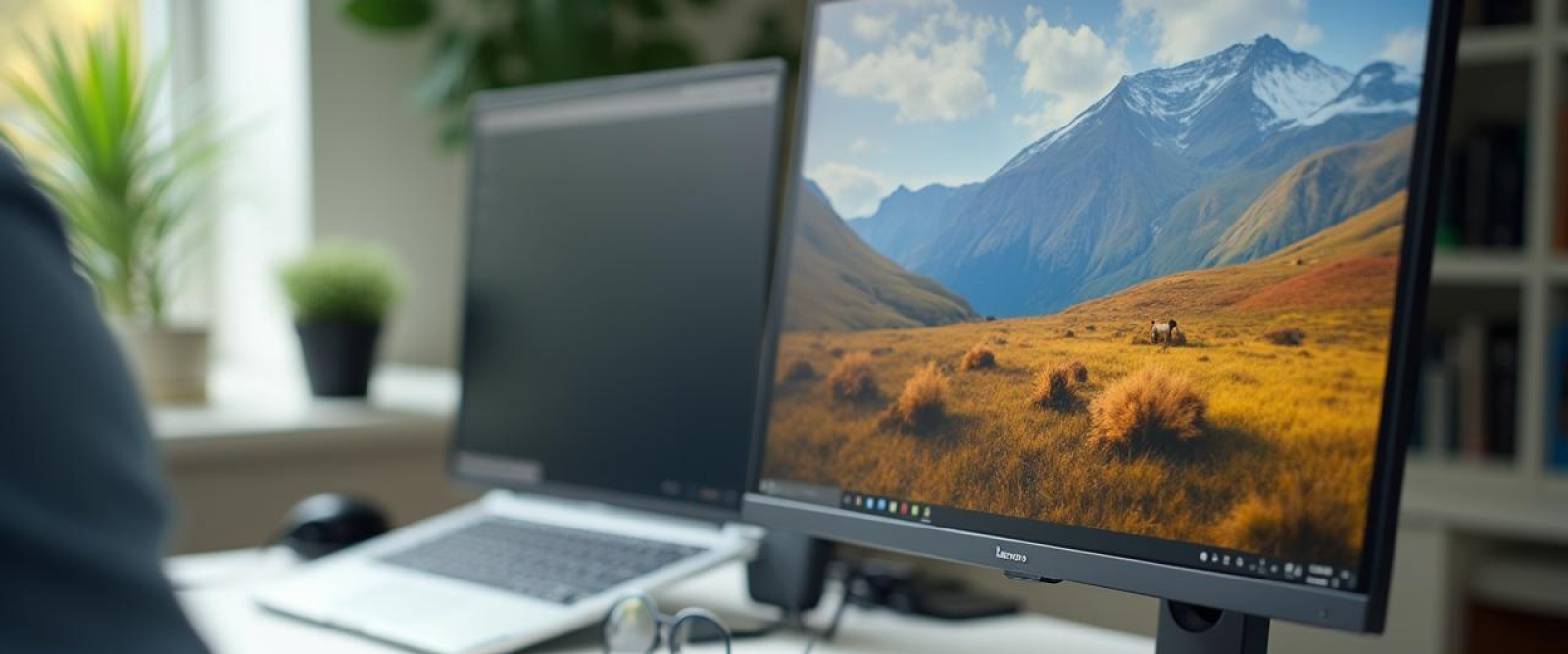
The choice of a laptop or a desktop is no longer about the processors, memory, or storage. The modern computing needs are diverse and depend on the usage of a certain device, where, why, and how. To all users, be they professionals, students, or home users, the true value of a Lenovo device is the integration into everyday practices and long-term productivity. What is projected to be a strong system in theory does not necessarily conform to practical requirements. Knowing how you get work or how you multitask, whether you are mobile or not, will make sure you end up with a device that feels natural and reliable as well as efficient over time, rather than just being dazzled by certain features and functionality.
The Major Aspects To Align A Device To Your Workflow
1. Know Your Main Patterns of Usage
Get a sense of what you are doing the most in a day. The editing of a document, a web application, a video meeting, a data analysis, or a creative software demands various hardware requirements. Selecting a device as per those activities that you perform most is a sure way of having constant activity performance without needless complexities.
2. Mobility vs. Stationary Use
Some users require a lightweight laptop that can move freely across places, whereas there are users who are inclined to using desktop setup, which is stationary in a single place. Assessing the frequency of movement of your device can lead to better screen size, battery life, and form factor.
3. Assess Multitasking Necessities
Your work requires you to use various applications at the same time, i.e., browsers, communication tools, and productivity programs, so multitasking becomes very necessary. A set-up that has been designed with high-performance in parallel processing may stop bottlenecks in congested working periods.
4. Consider Work Environment and Ergonomics
It does not matter how you look physically. A small laptop can be placed on a small table or a shared table, or one can sit on a desk with a big screen and a desktop computer to use. Keyboards, mice, and docking options are also added to make the setup more practical.
5. Connectivity and Collaboration Needs
New workflows are frequently dependent on outside equipment, networks, and peripherals. Think about how your system is going to be linked to the displays, storage, or even to collaboration tools. Sufficient ports and wireless can help ease daily communications and lessen the need to use adaptors.
6. Be Proactive in Future Requirements
Technology needs to evolve. The device selected solely to fulfill immediate work might prove restrictive in the long run. To increase its useful life and prevent unnecessary replacement of the system, recommend a system that supports moderate increases in workloads.
A Gadget That Does What You Can Do
The decisions based on real workflow requirements instead of technical specifications are the most appropriate consideration in selecting a Lenovo laptop or desktop. Photographing the way you work, such as mobility, multitasking, the surroundings, and prospects, can make one eligible to choose a device that will assist with making work natural and comfortable. The correct decision is one that is reliable when performing some daily duties, flexible when the requirements undergo reconfiguration, and easy to operate over a long period. Totalizing in appearance, a properly fitted system shall turn into a lesser spectacle of a hardware component and a more beautiful device that serves to focus on what matters.