One type of gadget is no longer enough to describe modern computing. Some users want something portable so they can work while they're on the go, while others need consistent power for heavy jobs at a fixed desk. How technology fits into everyday life affects whether you choose mobility over performance or find the best mix between the two. Lenovo laptops and desktops are made to handle different types of use, but picking the right one requires knowing your daily needs, your work setting, and your long-term goals. If you have the right gadget for the job, you can be as productive as possible, whether you are traveling between meetings, working from home, or handling a lot of work.
Factors to Think About When Matching Devices to Actual Needs
1. Determine Your Mobility During Work
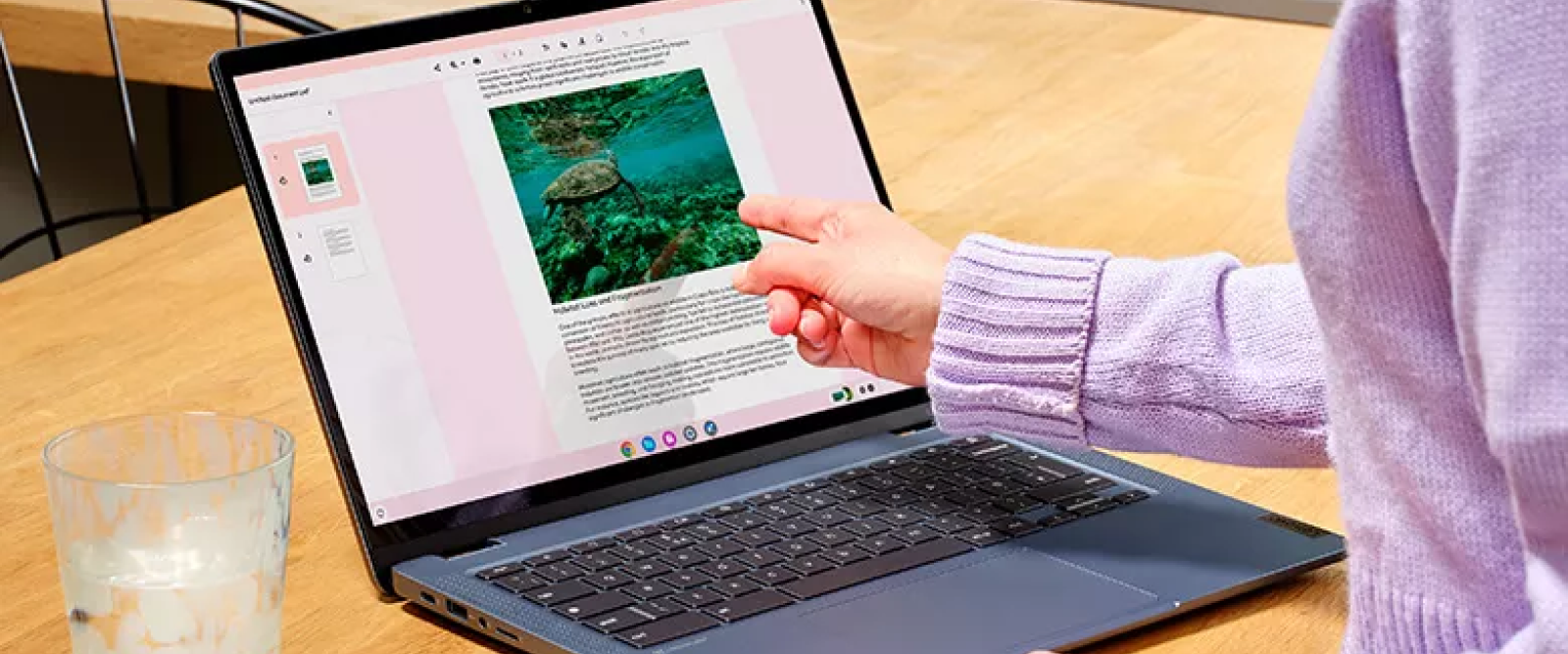
Portability becomes very important for people who travel a lot or move around a lot. Laptops that are small and light make it easier to stay creative on the go, whether you're commuting, on business trips, or because you work from home.
2. Look At How Hard Your Tasks Are
For example, editing documents, reading the web, and talking to people don't need the same resources as processing data, designing something, or using specialized software. Knowing how complicated your work is can help you decide if a mobile system is enough or if you need a more powerful desktop setting.
3. Battery Independence vs. Continuous Power
Devices that work well even when they're not plugged in all the time are useful for mobile work settings. Stationary setups, on the other hand, let computers run consistently without worrying about battery life, so they can be used for long periods of time.
4. Consider Screen Size And How Well It Looks
Smaller screens are easier to carry around, but they might not be as comfortable to use for long periods of time. For multitasking and precise work, bigger screens or external monitors are better for seeing. Adapting your screen to your surroundings can make things a lot easier to use.
5. Make A Plan For Integrating The Edges
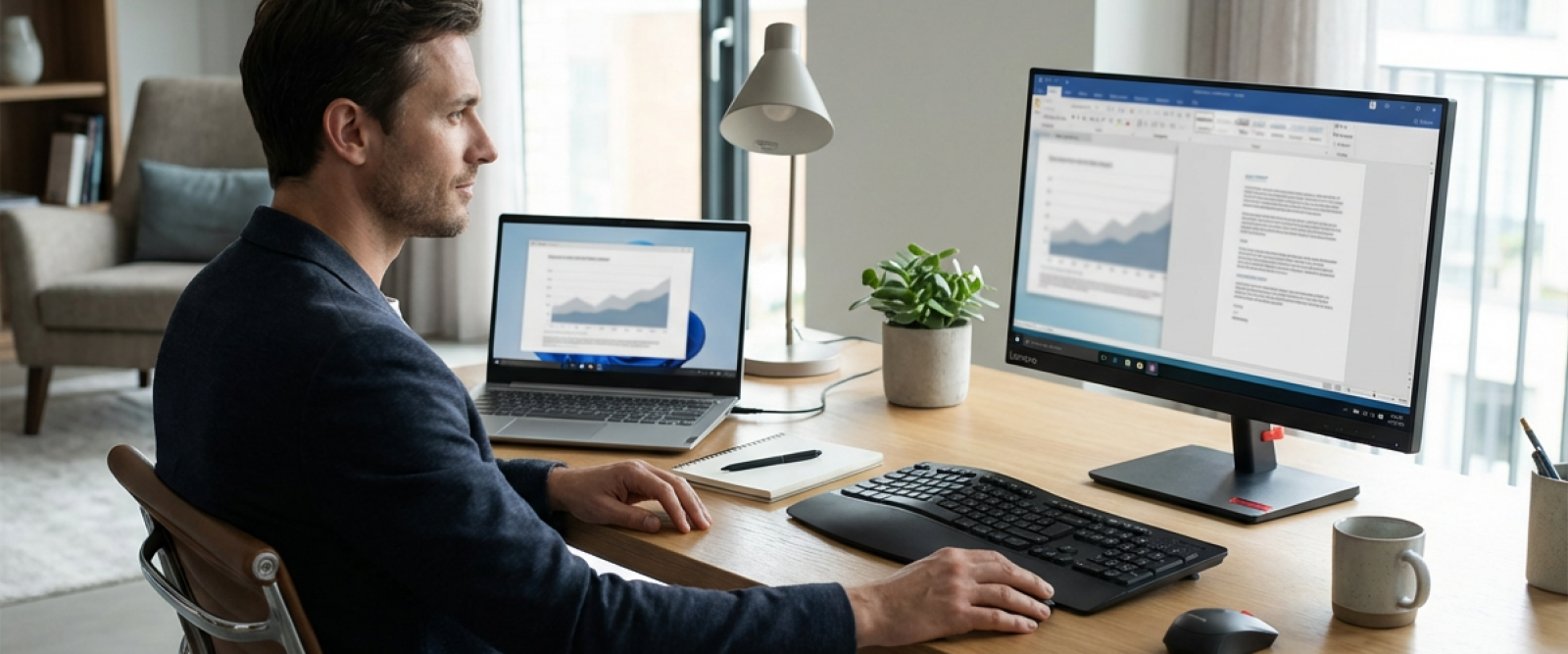
In the real world, processes often need extra tools like external storage, input devices, or connections for displays. Desktop computers can usually easily fit a lot of different peripherals, while docking options can help mobile users create a flexible workspace.
6. Take Into Account The Limited Space
A big desk isn't always possible in some settings. Portable devices may work better in small living spaces, shared offices, or temporary setups, while full desktop models can be used in dedicated work areas that are more stable and have more room for growth.
7. Meet Current Needs with Future Flexibility
The technology you choose should not only meet your current needs, but also be able to adapt to your changing responsibilities. A gadget that has enough space for moderate growth can last longer, so it doesn't have to be replaced as often.
Making A Choice For Power That Changes With You
It's not enough to choose between a laptop and a PC to find a device that works well in real life. To do that, you need to know how daily use affects mobility, performance, comfort, and the environment. Users can choose Lenovo technology that helps them be more productive and more comfortable by thinking about where and how they work, such as while traveling, at a set desk, or in different places. The best device isn't always the most powerful or flexible one. Sometimes, the best device is the one that fits in perfectly with daily life and lets you be productive without any extra work.