These days, places of work are very different from what they used to be. Professionals now travel freely between shared spaces, corporate locations, and home settings, proving that offices are no longer the sole places where work occurs. In this changing environment, a laptop needs to provide flexibility, dependability, and long-term usage in addition to running apps. A laptop that can adjust to changing work schedules, new software requirements, and the growing significance of connectivity and teamwork is considered future-ready. Organizations and individuals are searching for devices that can continue to function well as workflows and technology change, rather than concentrating only on raw characteristics.
Essential Features of a Laptop Prepared for the Future
1. Flexibility about Hybrid Work Models
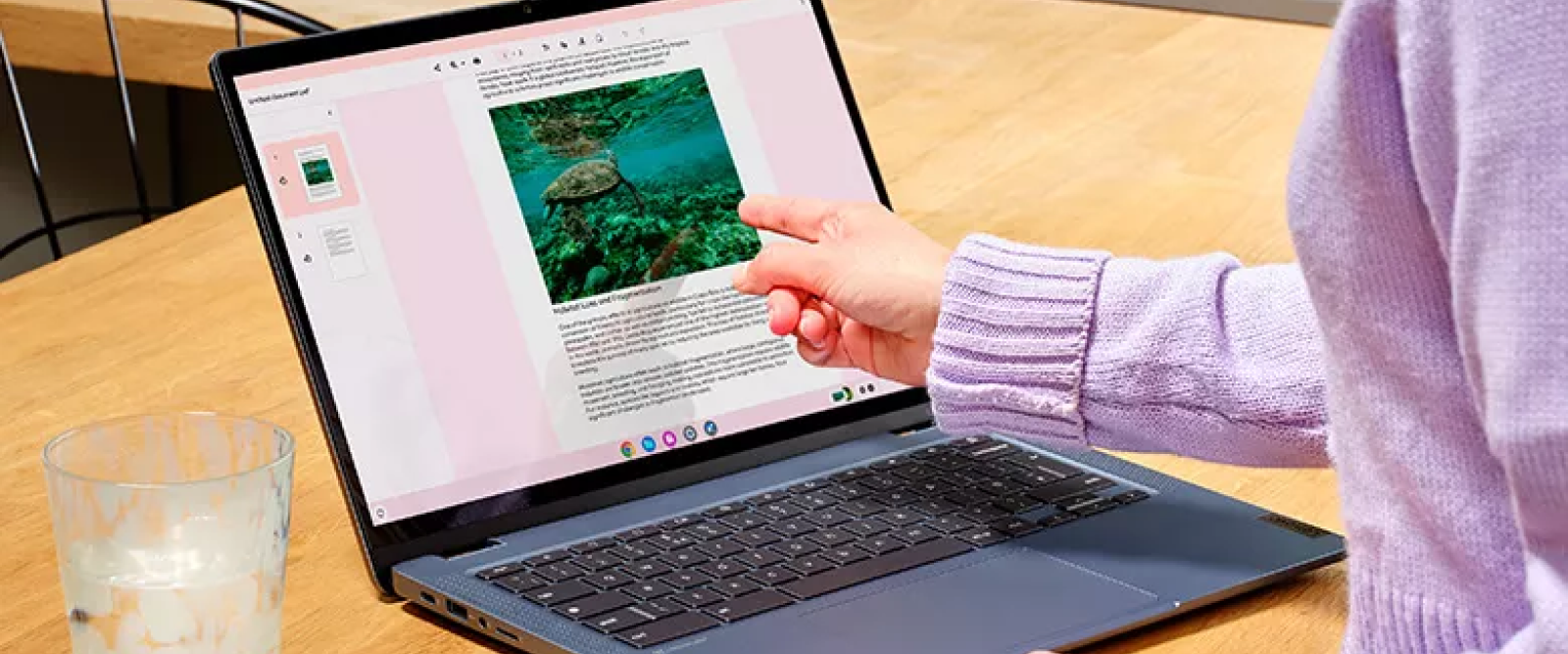
Professionals nowadays frequently split their time between several places. A laptop that is ready for the future needs to function reliably whether it is being used remotely, at a workplace, or while traveling. Reliable battery performance, lightweight design, and fast starting times all contribute to smooth transitions throughout the day.
2. Dependable Results for Daily Multitasking
Working today usually entails using web services, cloud platforms, productivity apps, and communication tools all at once. A laptop that manages multitasking well keeps users focused amid hectic schedules and avoids disruptions.
3. Robust Networking for an Online Office
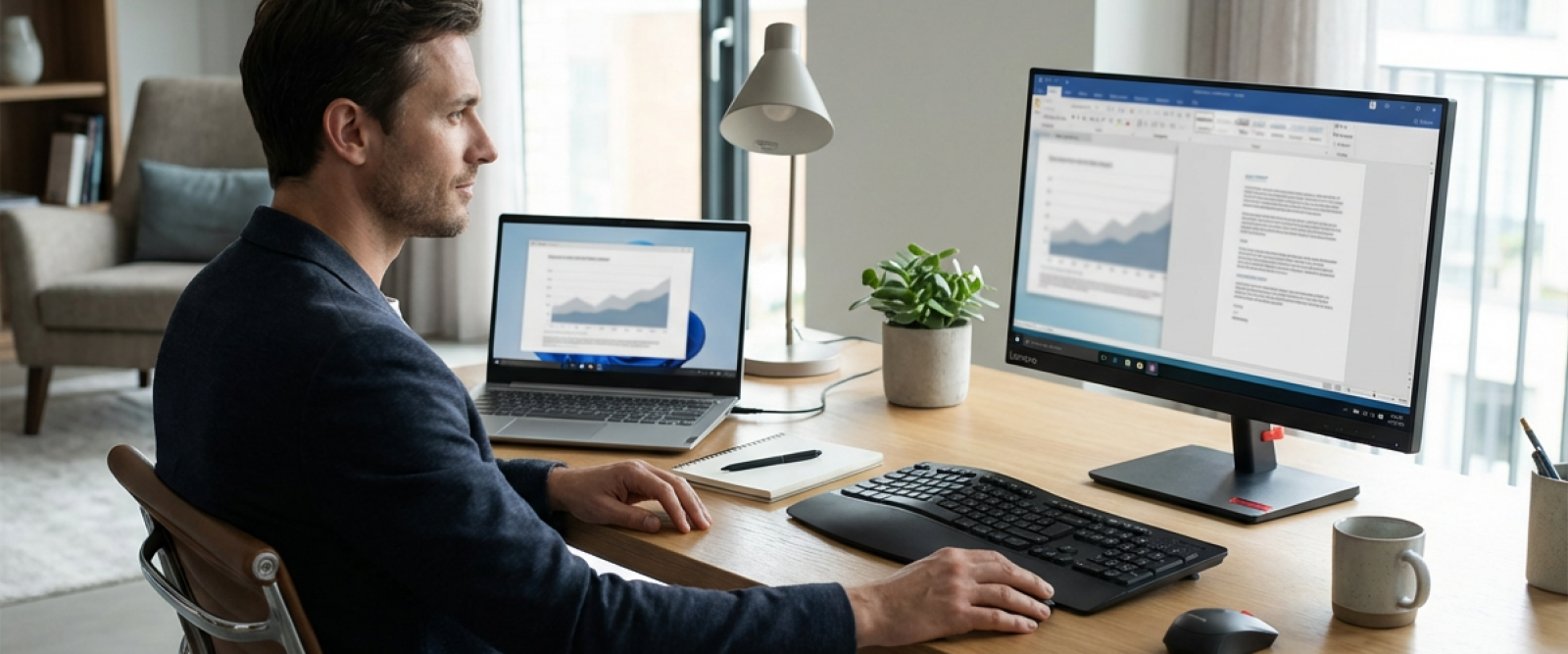
Stable connectivity to networks, peripherals, and external displays is becoming more and more important for work. Users may work together and share information without any technical obstacles thanks to built-in wireless capabilities, an ample number of ports, and compatibility with contemporary accessories.
4. Integrated Security Aspects
In professional settings, data protection has become crucial. Secure access techniques and system safeguards that assist in protecting sensitive data should be supported by a laptop that is prepared for the future. When devices are utilized outside of conventional workplace networks, this is particularly crucial.
5. Long-Term Comfortable Usability
Long periods of screen time are frequently necessary for productivity. A more sustainable working environment is facilitated by snappy touchpads, cozy keyboards, and excellent screens. Ergonomics can help maintain steady productivity over extended periods of time and lessen tiredness.
6. Adaptability to Changing Software Requirements
The complexity of applications keeps increasing, especially those that are cloud-based or utilized for teamwork. Users won't be constrained as tools advance if the device can run new platforms and updated software versions.
7. Sturdiness for Regular Workplace Use
Devices may experience physical strain from frequent transportation, continuous operation, and a variety of locations. Long-term performance and dependability can be maintained by a well-built laptop intended for frequent use, which lowers replacement costs and downtime.
Putting Money Into Flexibility and Longevity
A laptop is considered future-ready if it can continue to be helpful as work settings change, in addition to its existing capabilities. Long-term support for modern professionals is better provided by devices that strike a balance between mobility, performance, connectivity, security, and durability. People and businesses can choose laptops that offer reliable value for many years to come by concentrating on how technology fits into actual processes rather than following fads. Wherever work takes place, the appropriate gadget creates a solid basis for productivity in a world where flexibility is crucial.